Study In Ireland
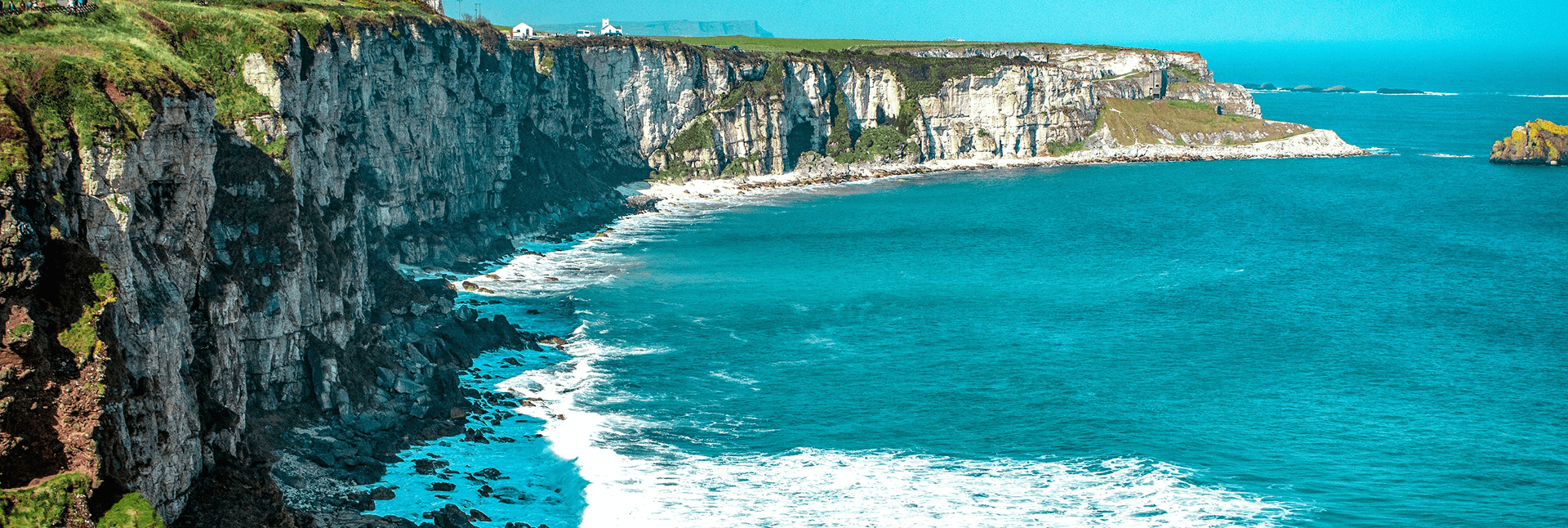
One of the most well-liked study-abroad locations in Europe is Ireland. Its institutions provide excellent instruction in an atmosphere that is both traditional and modern. Moreover, international students enroll in thousands of study programs at over two dozen schools in Ireland. Studying in Ireland will be especially enjoyable for those who appreciate the outdoors, writing, and historical history.
The Irish are known for being gregarious, and as many of the country's outlying communities strive to maintain their rich cultural legacy, there are plenty of options for you to travel around Ireland. Additionally, Ireland's large cities are smaller and more effortless to navigate, its people are kind and open-minded, and it boasts one of the top education systems in the world.
Top Universities in Ireland
University College Dublin
Trinity College Dublin
University College Cork
Dublin City University
Maynooth University
University of Limerick
University of Galway
Cork Institute of Technology
Dublin Business School
National College of Ireland
Dublin Institute of Technology
Letter Kenny Institute of Technology
South East Technological University
RCSI Institute of Leadership
Royal College of Surgeons in Ireland
Technological University Dublin
National University of Ireland Galway
Griffith College Dublin Main Campus
Technological University of the Shannon: Midlands
Cost Of Studying in Ireland
The institution providing the educational program sets the tuition. Moreover, the price of education, facilities, and equipment impact the tuition fees; factors also include the institution's reputation and the degree of demand for the program.
Undergraduate and graduate tuition costs usually vary from €6,000 to €20,000 annually in Ireland. Fortunately, undergraduate tuition is free for students from Europe studying in Ireland. Moreover, the cost of living varies depending on your resident city, but you should budget between €7,000 and €12,000 a year for housing, food, and other expenses.
In Ireland, living expenses for students might differ based on several variables, including location, kind of housing, way of life, and spending patterns. Living expenditures for an international student are estimated between €7,000 and €12,000 annually. Additionally, rent, electricity, food, books, laundry, medicine, travel passes, and social expenses are all included in this.
Why Study in Ireland?
There are several benefits to studying in Ireland, including one of the top-quality educational systems in the world. Due to the global connectivity of schools and colleges, graduates of Irish educational establishments have access to a wide range of professional prospects worldwide.
Ireland's universities and schools are well-known worldwide. In addition, their popularity implies that Irish university graduates may advance in their jobs globally.
Moreover, Ireland has one of the most effective educational systems in the world. The country has some of the top 3% of universities globally, and its graduates are in high demand worldwide.
Besides, Ireland is also a young nation, with one-third of the population under 25. Ireland routinely ranks among the top 20 countries in the world for peace, human development, and quality of life, making it a safe and welcoming place to live.
Furthermore, you will study in Ireland with over 35,000 international students.
Admission Requirements
GMAT scores
Work experience
Personal Statement
Recommendation letter
English language test scores
Transcripts for university courses
Application Documents
Security form
Copy of valid passport
Passport size photographs
English language proficiency certificate
High school certificate
Medical examination form
Proof of financial statements
Copy of birth certificate or any other certificate verifying the student’s age
Scholarships
Through early plans and applying to many partial scholarships in Ireland before university entry deadlines, studying in Ireland can be reasonably priced. The Irish government offers several partial scholarships and bursaries. Additionally, other private and public organizations also provide aid. Besides your tuition, some research programs may cover up to 100% of your living expenses.
Undergraduate degrees in Ireland are free for Switzerland, the EU/EEA, and Ireland citizens. Moreover, the Higher Education Authority (HEA) covers the expenditures.
Student Visa Requirements
Valid Passport
Health Insurance
Passport-size photo
Proof of sufficient funds
Evidence of course fee paid
Evidence of your scholarship
English Language Proficiency Test Scores
A Letter of Acceptance from the Irish educational institution
A signed letter of application which explains why you require the visa
Post-Study Work Opportunities
Ireland went from being the economic backwater of Europe to becoming a significant player in the continent's economy over the last three or four decades after joining the EU. Moreover, structural changes have provided efficient impetus and drawn several international organizations, particularly those in the technology sector, to establish their European headquarters in Ireland.
Notable examples of these companies include Google, Airbnb, Pfizer, Dell, and others. Additionally, Ireland thus provides a wealth of options for graduates with an international background. Besides that, studying in Ireland increases your chances of landing a job and deciding to stay after graduation.
Graduates of Irish higher education institutions can apply for a one-year stay back visa under the Irish government's Third Level Graduate Scheme, which allows them to remain in Ireland and look for work. Furthermore, the duration doubles for postgraduate students to two years.
FAQs about Studying in Ireland
1. How much does it cost to study in Ireland?
The cost of studying in Ireland varies by institution and program but generally, international students can expect to pay between €9,000 and €25,000 per year for undergraduate courses, and between €9,150 and €37,000 per year for postgraduate courses. Living expenses typically range from €7,000 to €12,000 per year.
2. How much study gap is acceptable in Ireland?
In Ireland, a study gap of up to 2 years is generally acceptable for undergraduate programs and can be longer for postgraduate programs, provided it can be justified through relevant work experience or further education. For assistance in explaining and justifying your study gap in your application, consider reaching out to Times Consultant, a trusted Ireland Study Visa Consultant.
3. How to get PR in Ireland after study?
To qualify for permanent residency in Ireland after studies, graduates need to initially secure a work permit, gain critical skills employment, or enter professions where shortages exist. After legally working in Ireland for 5 years, you may apply for PR status.